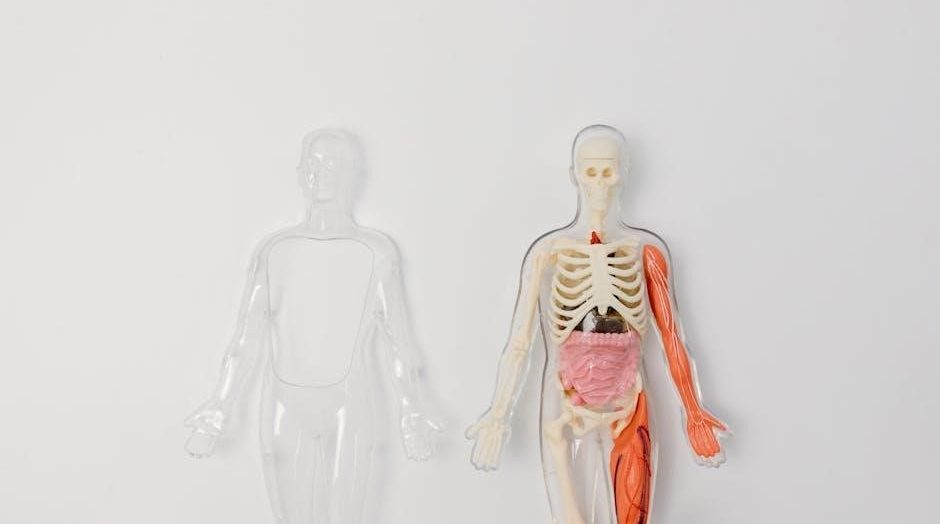
Anatomy and physiology study guides are essential tools, offering structured learning for complex subjects. These guides encompass textbooks, websites, and
YouTube channels, aiding comprehension and retention of vital biological concepts.
Effective guides simplify intricate systems, like the cardiovascular and musculoskeletal, fostering a deeper understanding of the human body’s functions and structures.
Why Use Study Guides?
Study guides are invaluable for mastering anatomy and physiology due to the sheer volume of information. They transform dense textbook material into manageable, focused learning modules, promoting efficient knowledge acquisition. These guides actively engage students, moving beyond passive reading to encourage self-testing and critical thinking.
Furthermore, study guides facilitate better retention. By condensing key concepts and providing review questions, they reinforce learning and identify areas needing further attention; Resources like Mosby’s Anatomy & Physiology Study and Review Cards exemplify this, aiding in memorization and recall.
Guides also bridge the gap between theoretical knowledge and practical application, particularly crucial for clinical understanding. They often incorporate clinical scenarios, linking anatomical structures to physiological processes and potential pathologies. Ultimately, utilizing study guides empowers students to succeed in this challenging, yet rewarding, field of study, enhancing their grasp of the human body.
Scope of Anatomy and Physiology
The scope of anatomy and physiology is remarkably broad, encompassing the study of structures from microscopic levels – histology, cytology, and embryology – to the macroscopic organization of entire systems. Anatomy details the ‘what’ and ‘where’ of bodily structures, while physiology explores the ‘how’ and ‘why’ of their functions.
This field extends beyond basic descriptions, delving into pathology, linking physiological disruptions to disease states and anatomical abnormalities. Topographic anatomy and operative surgery guides demonstrate practical applications, illustrating anatomical relationships relevant to clinical procedures.
Study guides must therefore cover a vast range, from skeletal and muscular systems to complex neurological pathways and cardiovascular mechanics. Resources like BioDigital offer 3D models, enhancing visualization; A comprehensive understanding requires integrating knowledge across multiple levels, appreciating the interconnectedness of form and function within the human organism.

Foundational Concepts
Foundational concepts in anatomy and physiology include levels of structural organization, mastering anatomical terminology, and understanding homeostasis – essential for effective study.
These principles underpin all systems, providing a framework for comprehending complex biological processes.
Levels of Structural Organization
Understanding the levels of structural organization is paramount in anatomy and physiology. This hierarchical system begins with chemical components – atoms and molecules – forming the building blocks of life. These chemicals combine to create cells, the basic structural and functional units of the body.
Similar cells are grouped into tissues, such as epithelial, connective, muscle, and nervous tissues. These tissues, in turn, collaborate to form organs, discrete structures with specific functions – the heart, lungs, and brain are prime examples.
Organ systems consist of interacting organs working together to accomplish a common purpose, like the digestive or respiratory system. Finally, the organism represents the complete living being, a sum of all structural levels integrated for survival.
Grasping this organization is crucial; it provides a framework for studying how the body functions, from the molecular level to the whole-body perspective. Effective study guides emphasize this hierarchy, aiding in comprehension and retention of complex anatomical and physiological relationships.
Anatomical Terminology
Mastering anatomical terminology is foundational to anatomy and physiology study. A standardized vocabulary ensures clear and precise communication about body structures and their relationships. Key concepts include directional terms – superior/inferior, anterior/posterior, medial/lateral – defining positions relative to a standard anatomical position.
Regional terms divide the body into specific areas like the cephalic (head), thoracic (chest), and abdominal regions. Understanding body planes – sagittal, frontal (coronal), and transverse – is crucial for visualizing anatomical sections. Combining prefixes, suffixes, and root words unlocks the meaning of complex terms.
Study guides often include glossaries and interactive exercises to reinforce terminology. Visual aids, like diagrams and 3D models, are invaluable for associating terms with structures. Consistent practice and application of these terms are essential for accurate description and comprehension of anatomical concepts.
Without a firm grasp of anatomical language, navigating the complexities of the human body becomes significantly more challenging.
Physiological Processes – Homeostasis
Understanding physiological processes, particularly homeostasis, is central to anatomy and physiology. Homeostasis represents the body’s ability to maintain a stable internal environment despite external changes. This dynamic equilibrium relies on intricate feedback loops involving receptors, control centers, and effectors.
Key processes include temperature regulation, blood pressure control, and maintaining fluid and electrolyte balance. Negative feedback loops counteract deviations from set points, while positive feedback loops amplify changes – though less common. Study guides should emphasize the interconnectedness of organ systems in maintaining homeostasis.
Resources like diagrams illustrating feedback mechanisms and case studies demonstrating homeostatic imbalances are invaluable. Exploring disruptions to homeostasis, such as those seen in disease states, reinforces understanding. Comprehending these processes is crucial for grasping how the body functions in health and disease.
Effective study requires linking anatomical structures to their physiological roles in maintaining this vital balance.

Essential Study Resources
Numerous resources aid anatomy and physiology learning: textbooks, comprehensive websites like TeachMeAnatomy, and visual YouTube channels such as AnatomyZone provide invaluable support.
These tools enhance understanding and retention of complex biological concepts.
Textbooks for Anatomy and Physiology
Textbooks remain a cornerstone of anatomy and physiology education, providing a detailed and structured foundation for understanding the human body. Several highly-regarded options cater to diverse learning styles and course levels.
Mosby’s Anatomy & Physiology Study and Review Cards are particularly effective for memorization and reinforcing fundamental concepts. These flashcards, divided into 20 comprehensive sections, facilitate active recall and long-term retention of anatomical structures and physiological processes.
Traditional textbooks offer in-depth coverage, often accompanied by supplementary materials like online resources and practice questions. Selecting a textbook aligned with your course syllabus and learning preferences is crucial. Consider factors like clarity of explanations, quality of illustrations, and the inclusion of clinical applications.
Furthermore, some textbooks incorporate innovative features like augmented reality or interactive digital components, enhancing the learning experience and providing a more engaging approach to mastering these complex subjects. A well-chosen textbook serves as a reliable guide throughout your anatomy and physiology journey.
Online Anatomy Resources (Websites)
Online resources have revolutionized anatomy and physiology study, offering interactive and visually rich learning experiences. Numerous websites provide comprehensive anatomical information, often exceeding the scope of traditional textbooks.
TeachMeAnatomy stands out as a particularly valuable resource, functioning as a comprehensive visual encyclopedia of anatomy. Its detailed illustrations, clinical correlations, and concise explanations make it ideal for both beginners and advanced learners.
AnatomyZone, a YouTube channel also accessible as a website, provides high-quality video lectures and tutorials led by Dr. Graham McNeill. This resource excels in simplifying complex anatomical concepts through clear visuals and engaging explanations.
BioDigital offers interactive 3D models of the human body, allowing students to explore anatomical structures in detail and visualize physiological processes; These platforms enhance understanding and retention through immersive learning. Utilizing these websites alongside traditional study methods can significantly improve comprehension and exam performance.
YouTube Channels for Visual Learning
YouTube has become an invaluable platform for anatomy and physiology students, offering a wealth of visual learning resources. These channels complement traditional study methods by providing dynamic explanations and demonstrations of complex concepts.
AnatomyZone, hosted by Dr. Graham McNeill, is a highly recommended channel. His clear, concise, and beautifully illustrated videos cover a wide range of anatomical topics, from skeletal structures to intricate muscle movements. The channel’s focus on clinical relevance further enhances its value.
Other channels, while potentially less comprehensive, offer specialized content. Many instructors also create their own YouTube playlists to support their courses, providing students with supplementary materials and explanations.
Visual learning is particularly effective for anatomy, where spatial relationships are crucial. YouTube channels allow students to repeatedly review dissections, animations, and clinical case studies, solidifying their understanding. Combining these visual aids with textbook study and practice quizzes is a powerful learning strategy.
Mastering Anatomy – Specific Approaches
Effective anatomy study requires targeted techniques. Utilizing study sources, memorization strategies, and focused neuroanatomy approaches will significantly enhance learning and retention of complex structures.
Study Sources for Anatomy
Numerous resources exist to bolster anatomical studies, catering to diverse learning styles. Traditional textbooks remain foundational, providing comprehensive coverage of structures and their relationships. Complementing textbooks, websites like TeachMeAnatomy offer a visually rich, encyclopedic experience, while AnatomyZone on YouTube delivers engaging video lectures led by Dr. Graham.
BioDigital presents interactive 3D models, allowing for virtual dissection and exploration of the human body. Mosby’s Anatomy & Physiology Study and Review Cards are invaluable for memorization and self-assessment. Furthermore, clinical resources and topographic anatomy guides, such as those focusing on operative surgery, bridge theoretical knowledge with practical applications.
For vision-specific studies, resources like “Clinical anatomy and physiology of the organ of vision” by Levanova et al. provide specialized insights. These varied sources, when combined, create a robust learning ecosystem, facilitating a deeper and more nuanced understanding of anatomy.
Best Memorization Techniques for Anatomical Structures
Mastering anatomical structures demands effective memorization strategies. Flashcards, particularly 3D interactive versions, prove invaluable for repeated recall and spatial understanding. Utilizing spaced repetition – reviewing material at increasing intervals – strengthens long-term retention. Mnemonics, creating acronyms or rhymes, can simplify complex lists like cranial nerves or muscle attachments.
Diagramming and labeling structures reinforces visual memory, while actively teaching the material to others solidifies understanding. Breaking down large structures into smaller, manageable components aids comprehension. Clinical correlation – linking anatomy to real-world medical scenarios – enhances relevance and recall.
Furthermore, consistent self-testing and utilizing study and assessment tools are crucial. Employing a multi-sensory approach – combining visual, auditory, and kinesthetic learning – optimizes memorization; Consistent effort and varied techniques are key to conquering the challenge of anatomical memorization.
Neuroanatomy Study Strategies
Neuroanatomy, the study of the nervous system, requires specialized strategies. Begin with a strong foundation in brain regionalization – understanding the major divisions and their functions. Utilize 3D models and interactive software to visualize complex structures and pathways. Tracing neural pathways systematically, from origin to termination, is crucial for comprehension.
Clinical cases provide context and demonstrate the functional significance of neuroanatomical structures. Focus on understanding the relationships between structures, rather than rote memorization. Diagramming and labeling cranial nerves, brainstem nuclei, and cortical areas are highly effective.
Employ mnemonics to remember intricate pathways and connections. Regularly self-test using quizzes and practice questions. Supplement textbook learning with YouTube channels offering visual explanations. Consistent review and a focus on functional integration are key to mastering neuroanatomy.

Understanding Physiology – Specific Approaches
Physiology benefits from exploring histology, cytology, and embryology. Linking physiological processes to pathology reveals disease mechanisms, while anatomical understanding clarifies structural impacts on function.
Histology, Cytology, and Embryology Resources
Histology, the study of tissues, provides a crucial bridge between anatomical structures and physiological functions. Resources for mastering histology include comprehensive textbooks with detailed micrographs, and interactive online platforms offering virtual slides for examination. Cytology, focusing on cellular structures and processes, benefits from resources detailing cellular organelles and their roles in maintaining homeostasis.
Effective cytology study involves understanding cellular transport mechanisms, cell signaling pathways, and the intricacies of cell division. Embryology, the study of developmental biology, requires resources illustrating the stages of embryonic development, from fertilization to organogenesis. Visual aids, such as annotated diagrams and 3D models, are invaluable for grasping the complex transformations occurring during embryogenesis.
Online resources often provide virtual embryology labs, allowing students to explore developmental processes in a dynamic and interactive manner. Combining textbook knowledge with these digital tools enhances understanding of how anatomical structures originate and function within the larger organism. These foundational studies are vital for comprehending advanced physiological concepts and pathological conditions.
Pathology – Linking Physiology and Disease
Pathology serves as the critical link between the normal physiological processes studied in anatomy and physiology, and the disruptions that manifest as disease. Understanding pathology requires resources that detail the mechanisms by which physiological imbalances lead to specific pathological conditions. Study guides focusing on pathology often present case studies, illustrating how altered anatomy and physiology correlate with clinical symptoms.
Resources should cover common diseases affecting various organ systems, explaining the underlying physiological derangements. For example, understanding the physiology of the cardiovascular system is essential for comprehending the pathology of hypertension or heart failure. Similarly, knowledge of respiratory physiology is crucial for understanding conditions like asthma or pneumonia.
Effective pathology study involves integrating anatomical knowledge with physiological principles to explain disease processes. Online databases and interactive modules can provide detailed information on disease etiology, pathogenesis, and clinical manifestations, solidifying the connection between normal function and pathological dysfunction.
Pathology – Linking Anatomy and Disease
Pathology bridges the gap between anatomical structures and the diseases that affect them. Studying pathology necessitates resources that demonstrate how alterations in anatomical structures contribute to disease development and progression. Effective study guides will illustrate how structural changes, visible through imaging or during autopsy, correlate with physiological dysfunction.
For instance, understanding the anatomy of the lungs is vital for comprehending the structural changes seen in emphysema or lung cancer. Similarly, knowledge of the brain’s anatomy is crucial for understanding the effects of stroke or traumatic brain injury. Resources should include detailed anatomical illustrations alongside descriptions of pathological changes.
Clinical anatomy and physiology resources are particularly valuable, as they often present real-world case studies linking anatomical abnormalities to specific diseases. Interactive models and 3D visualizations can further enhance understanding, allowing students to visualize the anatomical basis of pathological conditions and their impact on overall health.
Systems-Based Study Guides
Systems-based guides focus on integrated anatomy and physiology, exploring cardiovascular, respiratory, and musculoskeletal functions. These resources detail structural components and their roles in maintaining bodily homeostasis.
They provide a holistic view of each system, crucial for understanding complex interactions.
Cardiovascular System Anatomy & Physiology
Understanding the cardiovascular system requires a detailed grasp of both its anatomical structures and physiological processes. Anatomically, this system comprises the heart, blood vessels (arteries, veins, capillaries), and blood itself. Study guides emphasize the heart’s four chambers – atria and ventricles – and their coordinated function in pumping blood.
Physiologically, the focus shifts to blood circulation, blood pressure regulation, and cardiac output. Effective study resources illustrate the pulmonary and systemic circuits, detailing oxygenated and deoxygenated blood flow. Key concepts include the role of the sinoatrial (SA) node as the heart’s natural pacemaker and the impact of factors like hormones and nervous system input on heart rate and contractility.
Guides often incorporate visual aids like diagrams and 3D models to aid in visualizing complex structures like the coronary arteries and the conduction system. Mastering this system necessitates understanding how anatomical features directly contribute to physiological functions, ensuring efficient oxygen and nutrient delivery throughout the body.
Respiratory System Anatomy & Physiology
Respiratory system study guides prioritize understanding the pathway of air, beginning with the nasal cavity and extending through the pharynx, larynx, trachea, bronchi, and ultimately, the alveoli within the lungs. Anatomical diagrams are crucial for visualizing these structures and their relationships.
Physiologically, guides detail the mechanics of breathing – inspiration and expiration – and the role of the diaphragm and intercostal muscles. Gas exchange, specifically oxygen uptake and carbon dioxide removal at the alveolar level, is a central focus. Understanding concepts like tidal volume, vital capacity, and dead space is essential.
Effective resources explain how the respiratory system interacts with the cardiovascular system for efficient oxygen delivery. They also cover control mechanisms, including the brain’s respiratory centers and chemoreceptors that monitor blood gas levels. Visual aids, like illustrations of the alveoli and pulmonary capillaries, enhance comprehension of this vital system’s function.
Musculoskeletal System Anatomy & Physiology
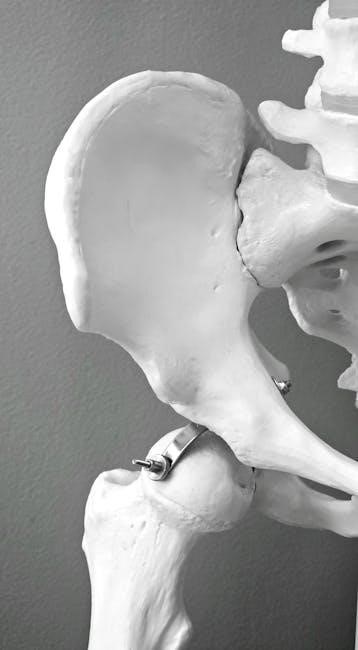
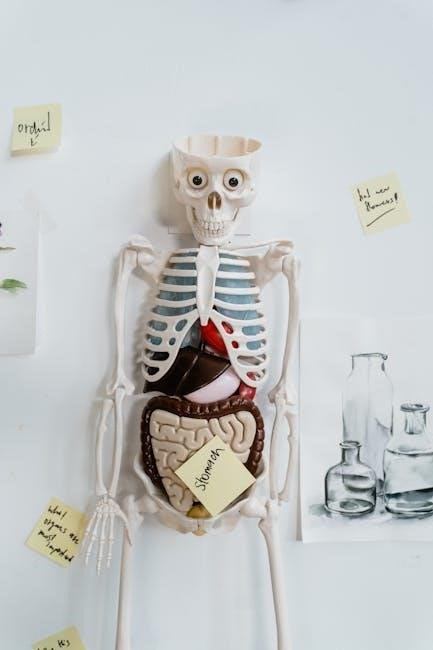
Musculoskeletal system study guides emphasize the intricate relationship between bones, muscles, tendons, ligaments, and joints. Anatomical study necessitates detailed knowledge of bone classifications – long, short, flat, irregular, and sesamoid – and their key features like processes and foramina. Guides utilize labeled diagrams showcasing the skeletal framework and muscle attachments.
Physiologically, these resources explain muscle contraction mechanisms, differentiating between skeletal, smooth, and cardiac muscle types. Understanding the sliding filament theory and the role of actin and myosin is paramount. Joint classifications – fibrous, cartilaginous, and synovial – and their associated ranges of motion are also covered;
Effective guides detail how muscles work in antagonistic pairs to produce movement. They also explore the role of the nervous system in controlling muscle activity. Interactive models and 3D visualizations are invaluable for grasping the complex interplay of structures within this system.
Advanced Study Tools
Advanced tools, like 3D flashcards and interactive models, revolutionize learning. Clinical resources bridge theory and practice, while topographic anatomy guides enhance surgical understanding and visualization.
3D Flashcards and Interactive Models
Utilizing 3D flashcards and interactive models represents a significant leap forward in anatomy and physiology education. These tools move beyond traditional rote memorization, offering a dynamic and engaging learning experience. Students can now visualize complex structures from multiple angles, fostering a deeper understanding of spatial relationships.
BioDigital, for example, provides a comprehensive platform for exploring the human body in 3D, allowing users to dissect virtual anatomy and simulate physiological processes. Creating and sharing these 3D flashcards allows for personalized study and collaborative learning.
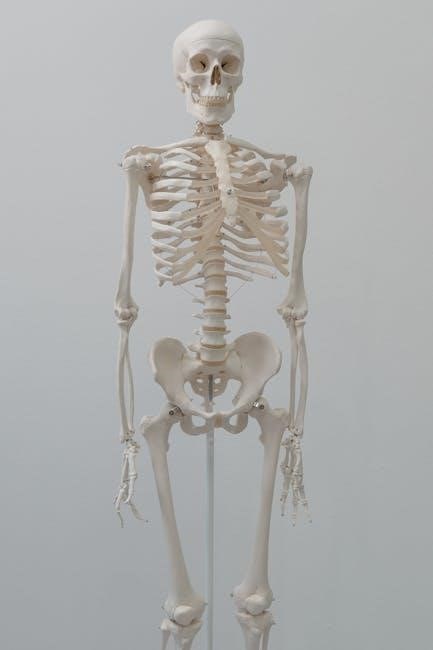
Interactive models are particularly beneficial for grasping intricate systems like the cardiovascular or nervous system. They enable students to manipulate components, observe their functions, and understand how they interact. This hands-on approach significantly improves retention and recall, making these tools invaluable for mastering the complexities of anatomy and physiology. They transform learning from passive absorption to active exploration.
Furthermore, these digital resources often incorporate quizzes and assessments, providing immediate feedback and reinforcing key concepts.
Clinical Anatomy and Physiology Resources
Bridging the gap between theoretical knowledge and practical application, clinical anatomy and physiology resources are crucial for aspiring healthcare professionals. These resources demonstrate how anatomical structures and physiological processes relate to real-world medical scenarios, enhancing diagnostic and treatment understanding.
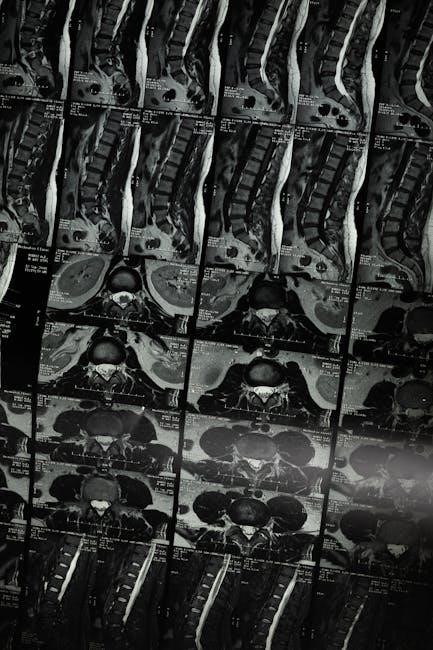
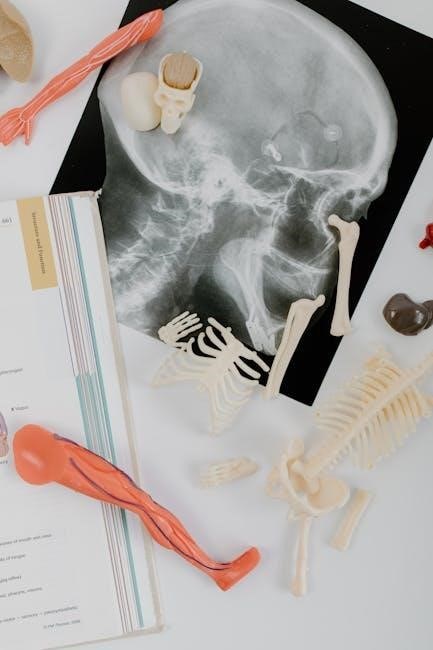
Resources often include case studies, imaging interpretations (like X-rays and MRIs), and discussions of common pathologies. Understanding the anatomical basis of diseases – linking anatomy to disease – is paramount. Similarly, comprehending how physiological disruptions manifest clinically – linking physiology to disease – is equally vital.
Specifically, studying the anatomy and physiology of the organ of vision, as detailed in guides by Levanova et al., exemplifies this clinical focus. These resources prepare students for clinical rotations and future practice by emphasizing the relevance of foundational knowledge. They move beyond simply knowing anatomy and physiology to applying it in a clinical context.
Mosby’s Anatomy & Physiology Study and Review Cards also aid in this process, reinforcing key concepts with clinical applications.
Topographic Anatomy and Operative Surgery Guides
Topographic anatomy delves into the spatial relationships of structures within the body, providing a crucial foundation for understanding operative procedures. These guides move beyond isolated anatomical study, illustrating how structures are positioned relative to each other in specific regions – a vital skill for surgeons and other medical professionals.
Operative surgery guides build upon this foundation, detailing surgical approaches, potential anatomical variations, and the physiological considerations during operations. They often include detailed illustrations and descriptions of incisions, dissections, and reconstructions.
Combining topographic anatomy with operative surgery knowledge allows students to visualize procedures and anticipate potential complications. Understanding the precise anatomical landmarks and surrounding structures is paramount for safe and effective surgical intervention.
These resources are invaluable for medical, nursing, and allied health students preparing for clinical practice. They bridge the gap between theoretical anatomical knowledge and the practical demands of the operating room, fostering a deeper appreciation for the complexities of the human body and surgical techniques.