Tour du Mont Blanc Self-Guided: A Comprehensive Plan
Embark on an unforgettable alpine adventure! This guide details planning a self-guided Tour du Mont Blanc trek, covering routes, logistics, and essential preparation for a rewarding experience.
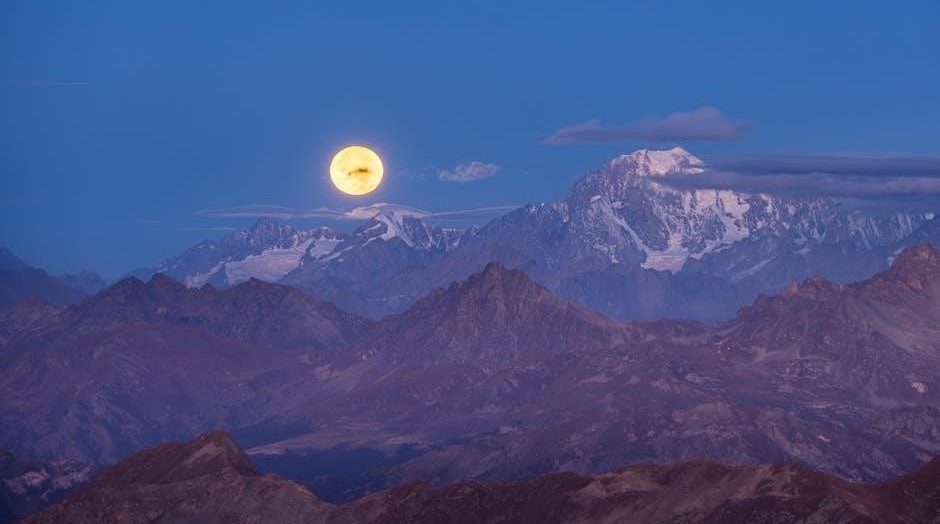
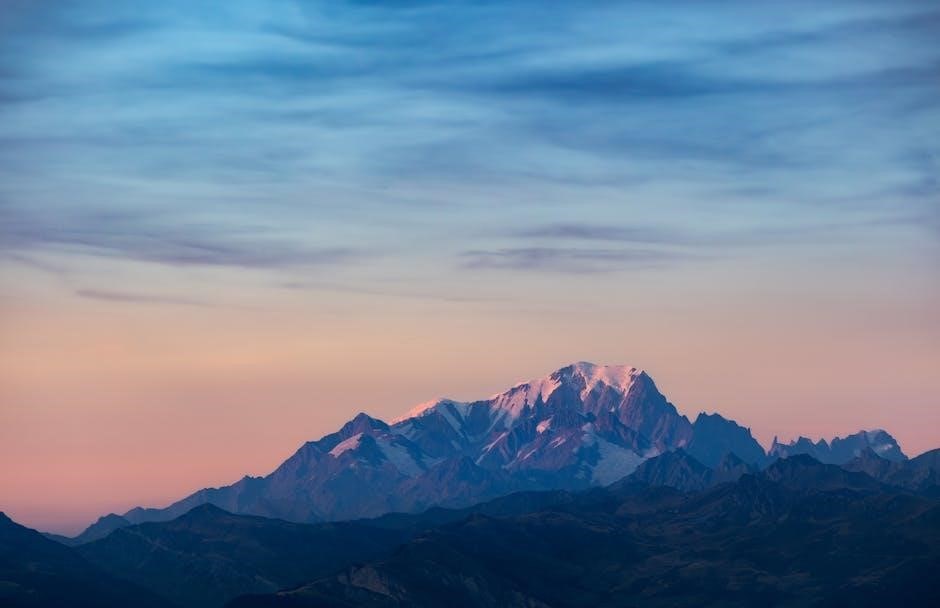
The Tour du Mont Blanc (TMB) is a legendary multi-day hiking trail circling the Mont Blanc massif, traversing through France, Italy, and Switzerland; This iconic route, approximately 170 kilometers (106 miles) in length, offers breathtaking alpine scenery, charming villages, and a challenging yet rewarding experience for hikers of varying levels.
Traditionally tackled with guided groups, the TMB is increasingly popular as a self-guided adventure. This allows for greater flexibility and independence, enabling hikers to customize their itinerary and pace. Planning a self-guided TMB requires meticulous preparation, including route selection, accommodation booking, and understanding logistical considerations. The trail’s allure lies in its diverse landscapes, from lush valleys to rugged mountain passes, promising an unforgettable journey through the heart of the Alps.
Why Choose a Self-Guided Trek?
Opting for a self-guided Tour du Mont Blanc trek offers unparalleled freedom and personalization. Unlike guided tours with fixed schedules, you dictate your pace, allowing for spontaneous detours and extended stays in picturesque villages. This independence caters to individual preferences, whether you prefer challenging ascents or leisurely explorations.
Self-guided treks often prove more cost-effective, eliminating the premium charged by tour operators. You have control over accommodation choices, ranging from cozy refuges to comfortable hotels, tailoring your budget accordingly. Furthermore, the sense of accomplishment derived from independently navigating the trail is immensely rewarding. Embracing the challenge fosters self-reliance and a deeper connection with the stunning alpine environment.
Best Time to Hike the Tour du Mont Blanc
The optimal window for hiking the Tour du Mont Blanc lies between mid-June and mid-September. This period offers the most favorable weather conditions, with warmer temperatures and reduced snowfall at higher altitudes. July and August represent peak season, boasting long daylight hours and fully operational refuges, but also increased trail traffic.
June and September provide a quieter experience, though some refuges may have limited services or be closed. Be prepared for potential snow patches early in June and cooler temperatures in September. Avoiding the shoulder seasons minimizes the risk of encountering hazardous conditions. Checking weather forecasts diligently before and during your trek is crucial, as mountain weather can change rapidly.
TMB Route Options & Variations
The Tour du Mont Blanc offers flexibility with several route options. The classic circuit typically takes 11 days, circumnavigating Mont Blanc through France, Italy, and Switzerland. However, shorter sections are popular for those with limited time, ranging from 5 to 7 days, focusing on specific valleys or stages.
Variations exist to customize your trek. Some hikers opt for higher routes offering more challenging terrain and panoramic views, while others prefer lower paths for a gentler experience. Consider adding side trips to nearby peaks or villages to enrich your journey. Careful planning is essential, factoring in your fitness level and available time when choosing your preferred route and variations.
4.1 Classic TMB Route (11 Days)
The 11-day classic Tour du Mont Blanc route is the most popular option, covering approximately 170 kilometers (106 miles) with around 9,600 meters (31,500 feet) of ascent. It generally begins in Les Houches, France, and traverses through iconic locations like Chamonix, Courmayeur (Italy), and Verbier (Switzerland), before returning to Les Houches.
Daily distances typically range from 10 to 18 kilometers (6-11 miles), demanding a good level of fitness. Expect varied terrain, including challenging ascents and descents, alpine meadows, and stunning glacier views. Accommodation is usually in mountain refuges (refuges) or guesthouses, requiring advance booking, especially during peak season. This route provides a comprehensive experience of the Mont Blanc massif.
4.2 Shorter TMB Sections (5-7 Days)
For those with limited time or preferring a less strenuous hike, shorter sections of the Tour du Mont Blanc offer a fantastic alternative. Popular options include focusing on a specific valley, like the Chamonix Valley or the Italian side around Courmayeur. These condensed treks allow experiencing the beauty of the region without committing to the full 11-day circuit.
A 5-7 day itinerary might concentrate on the French or Swiss sections, utilizing convenient transportation to access trailheads and endpoints. Daily distances are generally shorter, making it suitable for intermediate hikers. While missing the complete panorama, these sections still deliver breathtaking scenery and a taste of the TMB’s charm, offering flexibility and accessibility.
Fitness Level Required
The Tour du Mont Blanc is a demanding trek, requiring a good level of physical fitness. Expect several days of consecutive hiking with significant elevation gain and loss. Prior experience with multi-day hiking, ideally including mountainous terrain, is highly recommended.
You should be comfortable walking for 6-8 hours daily, carrying a backpack weighing 7-10kg. Cardiovascular endurance is crucial, alongside strong leg and core muscles. Regular training in the months leading up to the trek – including hiking with a weighted pack, stair climbing, and strength training – is essential. A moderate level of fitness won’t suffice; preparation is key to enjoying the journey!
Essential Gear Checklist
Packing strategically is vital for a comfortable TMB experience. Prioritize lightweight, durable gear. Backpack (40-50L): crucial for carrying essentials. Hiking boots: well broken-in, waterproof, and offering ankle support are non-negotiable. Layers: moisture-wicking base layers, insulating mid-layers (fleece or down), and a waterproof/windproof outer shell are essential for variable mountain weather.
Other necessities include: hiking poles, a headlamp, a first-aid kit, sunscreen, sunglasses, a hat, gloves, a water bottle or hydration reservoir, and a map & compass (or GPS device). Don’t forget blister treatment, insect repellent, and a quick-drying towel. Careful planning prevents discomfort!
6.1 Backpack & Hiking Boots
Your backpack is your mobile home; choose wisely! Opt for a 40-50 liter pack, prioritizing a comfortable fit and adjustable suspension system. Weight should be around 10-15% of your body weight. Hiking boots are equally critical. Invest in well-broken-in, waterproof boots offering excellent ankle support – blisters can ruin your trek!
Consider mid-cut boots for a balance of support and flexibility. Ensure a snug heel fit to prevent rubbing. Quality hiking socks (wool or synthetic blends) are essential. Regularly inspect your boots for wear and tear. Proper footwear and a well-fitted pack are foundational for enjoying the Tour du Mont Blanc.
6.2 Clothing & Layers
Mountain weather is notoriously unpredictable; layering is key! Pack moisture-wicking base layers (synthetic or merino wool), insulating mid-layers (fleece or down jacket), and a waterproof/windproof outer shell. Include hiking trousers (convertible are versatile), a warm hat, and gloves.
Don’t underestimate the importance of sun protection – sunglasses, a hat, and sunscreen are vital, even on cloudy days. Bring several pairs of hiking socks to keep your feet dry and comfortable. Quick-drying clothing is essential. Prioritize lightweight, packable items. Being prepared for all conditions ensures a safe and enjoyable Tour du Mont Blanc experience.
Accommodation Options
The Tour du Mont Blanc offers diverse lodging choices. Refuges (mountain huts) provide a social, rustic experience, requiring reservations well in advance, especially during peak season. They typically offer dormitory-style sleeping arrangements and meals. Alternatively, villages along the route boast hotels and guesthouses, offering more privacy and comfort.
These range from budget-friendly options to luxurious accommodations. Booking ahead is crucial, particularly for popular stages. Consider a mix of both refuge stays and village lodging for a varied experience. Camping is possible in designated areas, but requires careful planning and adherence to local regulations. Your choice impacts budget and the overall trek style.
7.1 Refuges (Mountain Huts)
Refuges are a cornerstone of the TMB experience. These mountain huts offer basic, dormitory-style accommodation, providing a social atmosphere and stunning alpine views. Expect shared rooms, bunk beds, and communal dining areas. Meals – typically dinner and breakfast – are often mandatory and must be pre-booked.
Refuges significantly reduce pack weight, but require reservations months in advance, especially during July and August. Facilities are generally simple: expect limited showers and toilets. A refuge stay fosters camaraderie amongst hikers. Be prepared for a rustic experience and respect the quiet hours. They are strategically located along the trail, offering convenient overnight stops.
7.2 Hotels & Guesthouses in Villages
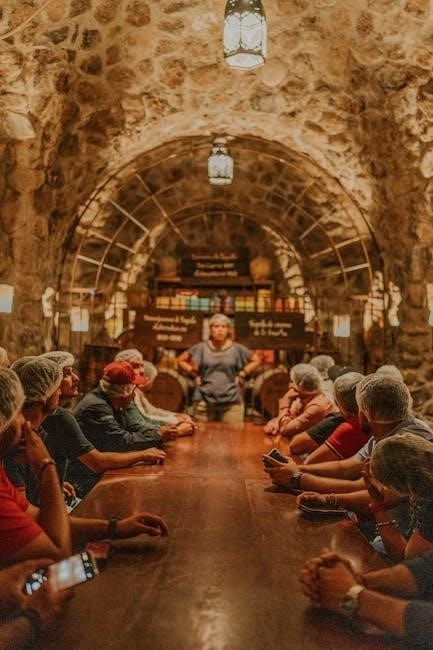
For those preferring more comfort, villages along the TMB offer hotels and guesthouses. These provide private rooms, ensuite bathrooms, and often, restaurant options. Staying in villages allows for resupply opportunities and a break from the rugged mountain environment. However, it often involves detours from the main trail, adding extra kilometers to your daily hikes.
Booking in advance is still recommended, particularly during peak season. Village accommodations can be more expensive than refuges, but offer greater privacy and amenities. They provide a chance to experience local culture and enjoy a hot shower! Consider this option for rest days or if you prefer a less strenuous end to your hiking day.
Planning Your Itinerary
Careful itinerary planning is crucial for a successful self-guided TMB trek. Consider your fitness level and desired daily mileage. The classic route takes 11 days, but shorter sections are possible. Map out your stages, factoring in elevation gain, terrain difficulty, and accommodation availability.
Pre-booking refuges or hotels is highly recommended, especially during peak season. Allow for flexibility in case of bad weather or unexpected delays. Download offline maps and GPS tracks. Research transportation options to and from the trailheads. A well-structured itinerary ensures a smoother, more enjoyable experience, maximizing your time in this stunning alpine landscape.
Booking & Reservations
Securing accommodations is paramount for a smooth TMB experience. Refuges, particularly, require advance reservations, often months ahead, especially for July and August. Websites like the official TMB website and individual refuge sites facilitate bookings. Hotels and guesthouses in villages also benefit from early reservations.
Consider booking transportation to trailheads and from finishing points concurrently. Some companies offer baggage transfer services, simplifying your trek. Confirm all reservations closer to your departure date. Be aware of cancellation policies. Proactive booking minimizes stress and guarantees a comfortable base each night along this iconic route.
Navigation & Maps
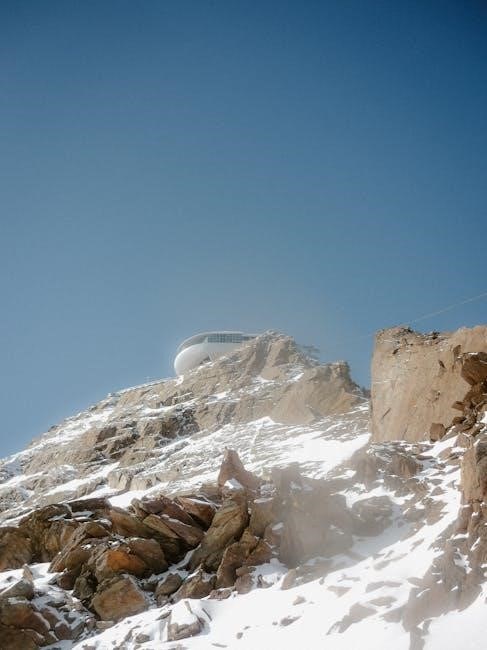
Reliable navigation is crucial for a self-guided TMB trek. While the trail is generally well-marked, conditions can change rapidly. A detailed topographic map, specifically designed for the Tour du Mont Blanc, is essential. Consider supplementing with a GPS device or smartphone with offline maps downloaded.
Familiarize yourself with map reading and compass skills. The IGN maps are highly recommended for their accuracy. Regularly check your position and be aware of potential route variations. Download GPX tracks for your GPS device; Don’t solely rely on technology; always carry a physical map and compass as a backup for unforeseen circumstances.
Food & Water on the Trail
Sustaining energy levels requires careful food and water planning. Refuges offer meals, but self-caterers need to carry sufficient supplies. Pack lightweight, high-calorie foods like energy bars, dried fruit, nuts, and dehydrated meals. Resupply opportunities exist in villages along the route, but don’t rely on them being fully stocked.
Water sources are generally available, but purification is vital. Carry a water filter or purification tablets to treat water from streams and springs. Staying hydrated is paramount, especially at altitude. Plan your stages considering water availability. Be mindful of carrying enough water between sources, particularly during warmer months.
Budgeting for a Self-Guided TMB
A self-guided TMB requires a detailed budget. Costs vary significantly based on accommodation choices and spending habits. Expect to spend approximately €80-€150 per day, encompassing accommodation, food, and transportation. Refuges are generally more expensive than camping or village hotels.
Factor in costs for maps, permits (if required), and potential emergency funds. Transportation to and from the trailhead adds to the expense. Pre-booking refuges and transportation can sometimes secure better rates. Consider a contingency fund for unexpected expenses, such as gear repairs or altered itineraries. Careful planning minimizes financial surprises during your trek.
Transportation to & from the Trail
Reaching the TMB trailhead requires careful planning. Geneva Airport (GVA) is a common arrival point, offering connections to Chamonix, the usual starting location. From Geneva, buses and trains provide access, with Chamonix being the final destination. Alternatively, consider flying into Milan (MXP) for access to the Italian side of the trek.
Local buses connect various villages along the route, facilitating onward travel. Pre-booking transportation, especially during peak season, is highly recommended. Upon completion, reverse the process, utilizing buses and trains to return to your departure airport. Research schedules and book tickets in advance for a smoother journey.
Safety Considerations
The Tour du Mont Blanc demands respect for its challenging environment. Mountain weather is notoriously unpredictable; be prepared for rapid changes, including sudden storms and temperature drops. Familiarize yourself with potential hazards like steep descents, rocky terrain, and river crossings. Carry a fully charged phone, a portable power bank, and a whistle for emergencies.
Inform someone of your itinerary and expected return date. Learn basic first aid and carry a comprehensive first-aid kit. Understand altitude sickness symptoms and preventative measures. In case of emergency, mountain rescue services are available, but response times can vary. Prioritize cautious hiking and sound judgment throughout your trek.
14.1 Mountain Weather & Hazards
Alpine conditions are dynamic and require constant vigilance. Expect significant temperature fluctuations even within a single day, with potential for freezing conditions at higher elevations. Summer thunderstorms are common, bringing lightning and hail. Visibility can drop rapidly due to fog or cloud cover, increasing navigation challenges.
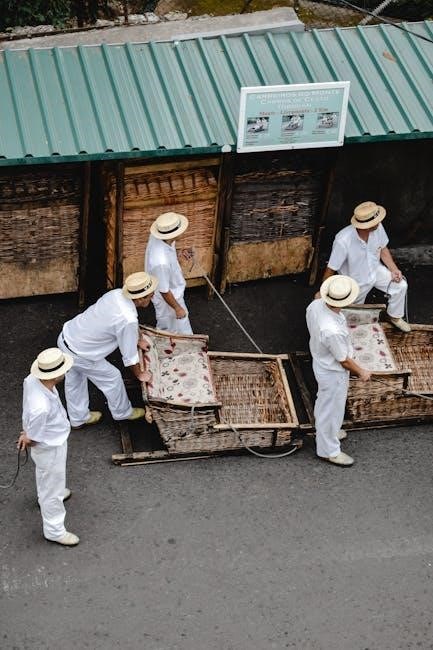
Hazards include steep, exposed trails, loose scree slopes, and potential for rockfall. River crossings can be dangerous, especially after rainfall. Snow patches may linger even in summer, creating slippery conditions. Be aware of the risk of altitude sickness and take appropriate acclimatization measures. Always check the weather forecast before setting out and be prepared to adjust your plans accordingly.
14.2 Emergency Procedures
Preparedness is crucial in the mountains. Carry a fully charged mobile phone, but be aware that coverage is unreliable in many areas. A whistle and headlamp are essential for signaling and navigating in low light. Know the European emergency number – 112 – and be prepared to provide your location accurately.
Inform someone of your itinerary and expected return date. If an injury occurs, assess the situation and administer first aid. If a rescue is needed, call 112 and describe your location and the nature of the emergency. Refuges can often assist with contacting emergency services. Consider carrying personal locator beacon (PLB) for remote areas.
Cultural Etiquette & Local Customs
Respectful interaction enhances your TMB experience. The Tour du Mont Blanc traverses France, Italy, and Switzerland, each with unique customs. Learn basic greetings – “Bonjour,” “Buongiorno,” and “Grüezi” – and use them. Politeness goes a long way; “please” and “thank you” are appreciated.
When staying in refuges, be mindful of quiet hours and communal spaces. Remove your boots before entering indoor areas. In villages, dress modestly when visiting churches or religious sites. Support local businesses by purchasing food and supplies locally. Be aware of right-of-way rules on trails, yielding to uphill hikers. A friendly attitude fosters positive interactions.
Training for the Tour du Mont Blanc
Adequate preparation is crucial for a successful trek. The TMB demands significant physical endurance. Begin training several months in advance, focusing on cardiovascular fitness and strength. Incorporate regular hiking with a weighted backpack, gradually increasing distance and elevation gain.
Include exercises that strengthen legs, core, and back. Stair climbing and hill repeats are excellent for simulating trail conditions. Practice hiking on varied terrain. Don’t neglect flexibility and balance training. Simulate consecutive days of hiking to build stamina. Listen to your body and allow for rest and recovery. A well-prepared body minimizes risk and maximizes enjoyment.
Dealing with Altitude Sickness
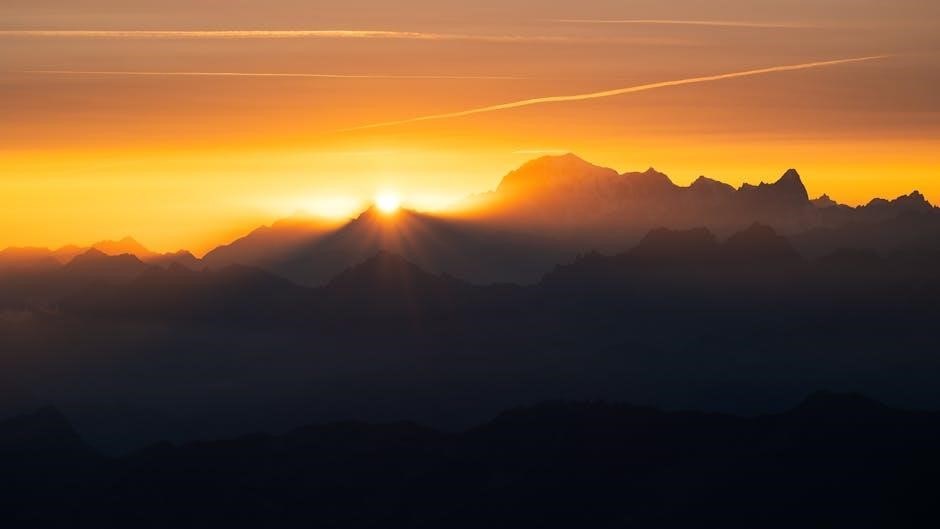
Altitude sickness is a potential concern on the TMB. Ascend gradually to allow your body to acclimatize. Stay hydrated by drinking plenty of water. Avoid alcohol and excessive caffeine. Recognize early symptoms like headache, nausea, and fatigue. If symptoms develop, descend to a lower altitude immediately.
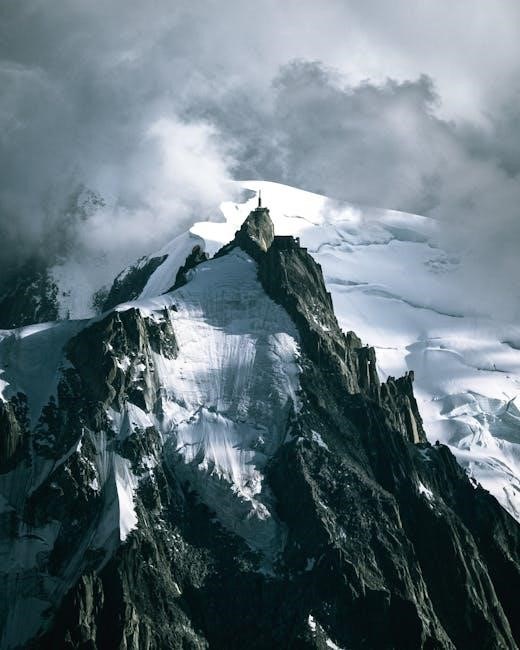
Don’t push yourself if you’re feeling unwell. Consider taking rest days at lower elevations. Consult a doctor about preventative medication if you’re prone to altitude sickness. Listen to your body and prioritize your health. Ignoring symptoms can lead to serious complications. Proper acclimatization and awareness are key to a safe and enjoyable trek.
Responsible Hiking & Leave No Trace
Preserving the beauty of the TMB is crucial. Practice Leave No Trace principles throughout your trek. Pack out everything you pack in, including food wrappers and waste. Stay on marked trails to avoid damaging fragile ecosystems. Minimize campfire impacts, or better yet, avoid them altogether.
Respect wildlife and observe from a distance. Be considerate of other hikers and local communities. Properly dispose of human waste using designated facilities or cat holes. Leave natural objects as you find them. Support local businesses committed to sustainable tourism. Your mindful actions help protect this stunning landscape for future generations.
Resources & Further Information
Planning your TMB? Explore TourDuMontBlanc.com for detailed route information and maps. Walks Worldwide offers itineraries and insights. Viator provides booking options for tours and activities in the region. Consult independent travel blogs and forums for firsthand experiences and tips from fellow hikers.
The Independent offers current event coverage impacting travel. Consider guidebooks specifically dedicated to the TMB for in-depth trail descriptions and accommodation listings. Local tourist offices in Chamonix, Courmayeur, and Les Houches provide valuable information. Remember to check weather forecasts regularly and stay updated on trail conditions before and during your trek.